Aging Starts Long Before You See It
When most people think about aging, they picture wrinkles, grey hair, or aching joints.
But aging doesn’t begin on the outside.
It begins deep inside your cells—often years before you notice any visible changes.
Feeling more tired than you used to, taking longer to recover after exercise, gaining weight more easily, or noticing new aches and pains aren’t simply “part of getting older.” They’re often early signs that the systems keeping your body healthy are changing.
The good news?
While we can’t stop time, we can support many of the biological processes that influence how well we age.
Here are five signs your body may be aging faster than it should—and what they may be telling you.
1. Your Body Feels More Sensitive to Pain
Do little aches seem to linger longer than they used to?
Maybe old injuries flare up more often, recovery after exercise takes longer, or everyday activities leave you feeling sore.
This isn’t simply about getting older.
As we age, the nervous system becomes more sensitive, making pain signals easier to trigger and harder to quieten.
One reason is declining mitochondrial function. Mitochondria are the tiny “power plants” inside your cells that produce the energy needed for repair and recovery. When they become less efficient, your body has a harder time healing from everyday wear and tear.
Persistent aches and increased sensitivity aren’t something you simply have to accept.
Supporting mitochondrial health through nutrition, movement, restorative sleep, and targeted nutrients may help improve resilience over time.
2. Your Skin Doesn’t Bounce Back Like It Used To
Your skin often reflects what’s happening inside your body.
Dryness, thinning skin, slower healing, and reduced elasticity aren’t just cosmetic—they’re signs of changes occurring at the cellular level.
Each time your cells divide, structures called telomeres gradually shorten. Eventually, some cells stop dividing and enter a state called cellular senescence, where they no longer function efficiently and begin releasing inflammatory signals.
Oxidative stress speeds up this process.
Poor sleep, chronic stress, excess sun exposure, smoking, processed foods, and environmental toxins all increase free radical damage that accelerates aging throughout the body—not just in the skin.
Healthy skin often reflects healthy cells.
3. Your Energy Isn’t What It Used To Be
Feeling tired all the time isn’t an inevitable part of aging.
It often reflects changes happening inside your cells.
As we get older, mitochondria become less efficient at producing ATP—the energy currency every cell depends on.
The result?
You may notice:
- Less stamina
- Slower recovery
- More afternoon fatigue
- Reduced motivation
- Brain fog or difficulty concentrating
Hormones also play a major role.
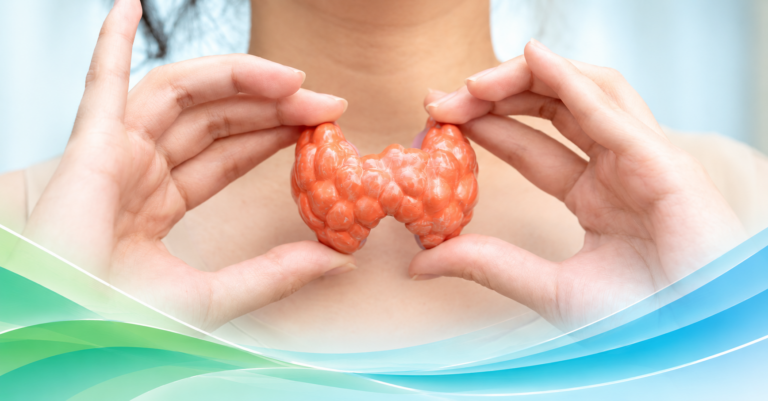
Changes in thyroid function, chronic stress, and, for women, declining estrogen and progesterone during perimenopause can all influence how efficiently your body produces energy.
Researchers are also studying a molecule called NAD+, which naturally declines with age and plays a key role in cellular energy production.
4. Your Metabolism Has Changed
If maintaining your weight feels harder than it used to, you’re not imagining it.
As we age, metabolism naturally changes.
Insulin sensitivity often declines, meaning your cells become less responsive to insulin. Blood sugar stays elevated longer, making it easier to store fat—particularly around the abdomen.
At the same time, muscle mass gradually decreases.
This matters because muscle helps:
- Burn calories
- Improve blood sugar regulation
- Support metabolism
- Reduce inflammation
- Maintain strength and mobility
Hormonal changes—including declining estrogen, testosterone, and growth hormone—also make it more difficult to build and maintain lean muscle.
The good news is that strength training, adequate protein, quality sleep, and blood sugar support can all help slow these changes.
5. Silent Inflammation Is Speeding Up Aging
Perhaps the biggest driver of biological aging is something most people never feel.
Researchers call it inflammaging—a slow, persistent state of low-grade inflammation that develops over time.
Unlike the inflammation you experience after an injury, inflammaging has no obvious symptoms.
Instead, it quietly affects nearly every system in the body.
It may contribute to:
- Heart disease
- Cognitive decline
- Insulin resistance
- Joint discomfort
- Weakened immune function
- Faster cellular aging
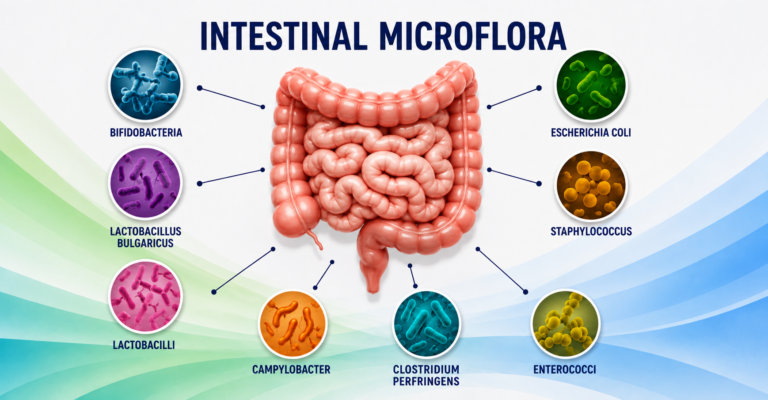
Chronic stress, poor sleep, gut health, hormonal changes, environmental toxins, and senescent cells can all contribute to this inflammatory burden.
The encouraging news?
Inflammaging is highly influenced by lifestyle.
Nutrition, regular exercise, restorative sleep, stress management, gut health, and healthy hormone balance can all help reduce inflammation and support healthy aging.
Aging Is Inevitable. How You Age Isn’t.
Getting older is part of life.
But how you age is influenced by many factors within your control.
Pain, fatigue, declining metabolism, changes in skin quality, and chronic inflammation aren’t simply isolated problems—they’re often connected through the health of your cells.
The earlier these changes are recognized, the more opportunities you have to support your body and preserve your health for years to come.
Healthy aging isn’t about looking younger.
It’s about maintaining your energy, strength, resilience, and quality of life.
Ready to Support Healthy Aging?
If you’ve been noticing changes in your energy, recovery, metabolism, or overall health, a personalized assessment can help uncover what may be contributing.
Together, we can look beyond the symptoms and create a plan that supports healthy aging from the inside out.
References
- Lopez-Otin C, et al. (2013). The hallmarks of aging. Cell, 153(6), 1194–1217. doi.org/10.1016/j.cell.2013.05.039
- Franceschi C, Campisi J. (2014). Chronic inflammation (inflammaging) and its potential contribution to age-associated diseases. The Journals of Gerontology, 69(Suppl 1), S4–S9. doi.org/10.1093/gerona/glu057
- Harman D. (1956). Aging: a theory based on free radical and radiation chemistry. Journal of Gerontology, 11(3), 298–300.
- Muoio DM. (2014). Metabolic inflexibility: when mitochondrial indecision leads to metabolic gridlock. Cell, 159(6), 1253–1262. doi.org/10.1016/j.cell.2014.11.034
- Verdin E. (2015). NAD+ in aging, metabolism, and neurodegeneration. Science, 350(6265), 1208–1213. doi.org/10.1126/science.aac4854
- Cruz-Jentoft AJ, et al. (2019). Sarcopenia: revised European consensus on definition and diagnosis. Age and Ageing, 48(1), 16–31. doi.org/10.1093/ageing/afy169
- Campisi J. (2013). Aging, cellular senescence, and cancer. Annual Review of Physiology, 75, 685–705. doi.org/10.1146/annurev-physiol-030212-183653
- Woolf CJ, Salter MW. (2000). Neuronal plasticity: increasing the gain in pain. Science, 288(5472), 1765–1769. doi.org/10.1126/science.288.5472.1765

Written By:
Michael Reid
More By This Author