Hair Thinning Isn’t Always What You Think
Noticing more hair in the shower?
Thinning around your temples?
A ponytail that feels smaller than it used to?
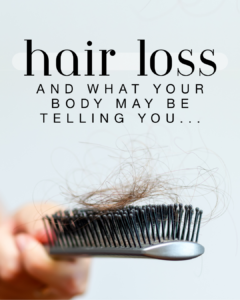
Hair loss can show up suddenly — or slowly over time.
While genetics can play a role, it’s rarely the whole story.
In many cases, hair thinning is influenced by:
- Hormonal shifts
- Thyroid function
- Iron levels
- Nutrient status
And here’s what often gets missed:
Hair loss is frequently a signal that something deeper in the body needs support.
Hair Growth Reflects Overall Health
Hair follicles are highly active and require a steady supply of:
- Nutrients
- Oxygen
- Hormonal balance
When the body is under stress — whether from illness, nutrient deficiencies, or hormonal changes — the hair growth cycle can shift.
That’s why increased shedding often follows:
- Illness
- Major stress
- Pregnancy
- Hormonal transitions
When the body is recalibrating, hair is often one of the first places changes show up.
Hormones and Hair Loss
Hormones play a major role in hair growth for all people.
In men, thinning is often linked to dihydrotestosterone (DHT), which can shrink hair follicles over time.
In women, hair changes often appear during hormonal shifts such as:
- Postpartum
- Perimenopause or menopause
- PCOS
- Periods of chronic stress
These shifts can push more hair into the shedding phase of the cycle.
Thyroid Health and Hair Thinning
The thyroid regulates metabolism — including hair follicle activity.
When thyroid hormones are imbalanced, hair growth may slow and shedding can increase.
Hair thinning related to thyroid issues may also show up alongside:
- Fatigue
- Dry skin
- Brittle nails
- Feeling cold
- Low energy
When these symptoms cluster together, it’s worth evaluating thyroid function more closely.
Iron Levels and Hair Loss
Low iron is one of the most common contributors to hair thinning, especially in women.
Iron supports oxygen delivery to hair follicles. When levels are low, hair may shift into shedding more quickly.
Common causes of low iron include:
- Heavy menstrual cycles
- Pregnancy or postpartum
- Low dietary intake
- Digestive absorption issues
Testing ferritin (iron stores) can often provide valuable insight.
Do GLP-1 Medications Cause Hair Loss?
With the rise of GLP-1 medications for weight management, more people are asking about hair loss.
Current evidence suggests the medication itself isn’t usually the cause.
Instead, rapid weight loss can trigger a temporary shedding pattern called telogen effluvium.
This can also occur after:
- Illness
- Surgery
- Pregnancy
- Significant stress
Rapid changes can impact:
- Protein intake
- Iron levels
- Nutrient status
- Overall metabolic stress
All of which influence hair growth.
Testing That Can Help Identify the Root Cause
Looking deeper at internal health is often key.
Common labs include:
- Iron + ferritin → assess iron stores
- Thyroid panel (TSH, Free T3, Free T4)
- Sex hormones (estrogen, progesterone, testosterone, DHEA)
- Vitamin levels (B12, vitamin D, folate)
- Blood sugar markers (fasting insulin, HbA1c)
Together, these markers help identify patterns contributing to hair thinning.
Nutrition and Hair Growth
Hair health depends on consistent nutrient intake.
Key nutrients include:
- Protein → supports hair structure (keratin)
Sources: eggs, fish, poultry, legumes - Iron → supports oxygen delivery
Sources: red meat, spinach, lentils, pumpkin seeds - Healthy fats (omega-3s) → support scalp health
Sources: salmon, walnuts, flaxseeds - B vitamins → support energy + follicle function
Sources: leafy greens, eggs, whole grains
Supplements That May Help
When deficiencies are present, targeted supplementation may help.
Common options include:
- Iron (if low)
- Zinc
- Biotin
- Vitamin D
- Omega-3s
Prenatal vitamins are sometimes used because they contain multiple hair-supportive nutrients.
Ideally, supplementation is guided by lab results — not guesswork.
Looking at the Bigger Picture
Hair loss can feel frustrating — but it can also be informative.
Rather than focusing only on the hair, a functional approach looks at:
- Hormones
- Thyroid health
- Nutrient levels
- Stress
- Metabolism
When these systems are supported, many people notice gradual improvements over time.
The Takeaway
Hair thinning isn’t always just genetics.
It’s often your body’s way of signaling that something deeper needs attention.
If you’ve been noticing increased shedding or thinning, looking beneath the surface can be an important first step.
Ready to Explore What’s Going On?
If you’d like personalized support, you can book an appointment to take a closer look at your health.
References
- Almohanna, H. M., Ahmed, A. A., Tsatalis, J. P., & Tosti, A. (2019). The role of vitamins and minerals in hair loss: A review. Dermatology and Therapy, 9(1), 51–70.
- Guo, E. L., & Katta, R. (2017). Diet and hair loss: Effects of nutrient deficiency and supplement use. Dermatology Practical & Conceptual, 7(1), 1–10.
- Harrison, S., & Sinclair, R. (2003). Telogen effluvium. Clinical and Experimental Dermatology, 27(5), 389–395.
- Messenger, A. G., & Sinclair, R. (2006). Follicular miniaturization in androgenetic alopecia: Pathophysiology and treatment. Journal of Investigative Dermatology Symposium Proceedings, 11(1), 14–17.
- Rushton, D. H., Norris, M. J., Dover, R., & Busuttil, N. (2002). Causes of hair loss and the developments in hair rejuvenation. International Journal of Cosmetic Science, 24(1), 17–23.
- Stuckey, B. G. A. (2008). The role of thyroid dysfunction in hair loss. Clinical Endocrinology, 68(3), 421–426.
- Trost, L. B., Bergfeld, W. F., & Calogeras, E. (2006). The diagnosis and treatment of iron deficiency and its potential relationship to hair loss. Journal of the American Academy of Dermatology, 54(5), 824–844.
- Wilding, J. P. H., Batterham, R. L., Calanna, S., Davies, M., Van Gaal, L. F., Lingvay, I., et al. (2021). Once-weekly semaglutide in adults with overweight or obesity. New England Journal of Medicine, 384(11), 989–1002.

Written By:
Michael Reid
More By This Author