
The Hidden Impact of Hormone Receptor Dysfunction
Why You Can Feel Unwell Even When Your Labs Look “Fine”
You’ve done the testing.
Your estrogen is “within range.”
Your thyroid numbers are “normal.”
Your glucose and insulin look acceptable.
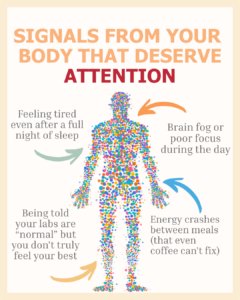
And yet you’re still exhausted, foggy, moody, inflamed, or stuck in a body that doesn’t feel like yours.
This scenario is incredibly common — and it’s often not about hormone deficiency.
Emerging research highlights a deeper issue: hormone receptor dysfunction.
In simple terms, your hormones may be present — but your cells may not be responding.
Hormones Don’t Work Alone — Receptors Do the Real Work
Hormones are messengers. They travel through the bloodstream delivering instructions that influence mood, metabolism, inflammation, reproduction, and energy.
But hormones only work if they can bind to receptors.
Hormone receptors are specialized proteins on or inside cells. When a hormone binds to its receptor, it triggers changes in gene expression and cellular behaviour.
If receptors are:
- Inflamed
- Downregulated
- Blocked
- Desensitized
…the message doesn’t fully land.
You can have adequate hormone levels and still experience reduced hormone activity.
This is why normal labs do not always equal normal function.
When Receptors Go “Offline”
Receptor dysfunction is often an adaptive response to chronic stress.
Inflammation, oxidative stress, blood sugar instability, toxic burden, and persistent cortisol elevation all signal the body to protect itself. One protective strategy? Reducing receptor sensitivity.
Short-term, this can limit damage.
Long-term, it creates dysfunction.
Cells stop responding properly — even though hormone production remains intact.
This helps explain symptoms of:
- Hypothyroidism with normal thyroid labs
- Estrogen imbalance with normal estrogen levels
- Early insulin resistance with normal glucose
Inflammation: The Silent Signal Disruptor
Chronic low-grade inflammation is one of the most significant blockers of hormone signaling.
Inflammatory cytokines can:
- Alter receptor shape
- Reduce receptor expression
- Disrupt downstream signaling
Over time, this blunts the response to multiple hormones — at once.
Estrogen
Inflammation can impair estrogen receptor signaling, contributing to PMS, perimenopausal symptoms, mood instability, or breast tenderness — even when estrogen levels are normal.
Thyroid
Inflammatory stress can impair T4-to-T3 conversion, hormone transport into cells, and receptor responsiveness. Fatigue, cold intolerance, weight gain, and brain fog may show up despite “normal” TSH.
Insulin
Insulin resistance is a classic example of receptor dysfunction. Cells reduce insulin receptor sensitivity after repeated exposure and inflammation. Glucose may remain normal initially — but signaling is already impaired.
Environmental Toxins: Interfering with Hormone Communication
Many modern environmental chemicals act as endocrine disruptors.
They can:
- Mimic natural hormones
- Block receptor binding
- Alter gene expression
- Increase inflammatory signaling around receptors
Common exposures include plastics, pesticides, herbicides, personal care products, household cleaners, and polluted air or water.
Over time, cumulative exposure increases stress on detoxification and signaling systems — even when hormone production itself remains normal.
Why Standard Labs Miss This
Conventional hormone tests measure what’s circulating in the bloodstream.
They do not assess:
- Receptor sensitivity
- Intracellular hormone activity
- Inflammatory interference
- Cellular response
It’s like confirming a message was sent — but never checking whether it was received.
This is why:
- Some patients don’t respond to hormone therapy
- Higher doses sometimes worsen symptoms
- People are told “everything is normal” when they clearly don’t feel normal
The issue isn’t imagined.
It’s cellular.
Signs Receptor Dysfunction May Be Present
While there’s no single diagnostic marker, patterns matter.
Common clues include:
- Persistent hormone-related symptoms despite normal labs
- Poor or inconsistent response to hormone therapy
- Symptom flares during stress or illness
- Coexisting inflammatory or metabolic conditions
- Sensitivity to environmental exposures
Functional assessment looks at systems interacting — not isolated numbers.
How to Restore Hormone Receptor Sensitivity
The encouraging news: receptor function is dynamic and often reversible.
1. Lower Inflammation
Anti-inflammatory nutrition, blood sugar stability, omega-3 intake, polyphenol-rich plants, and gut support all improve receptor responsiveness.
2. Improve Metabolic Health
Balanced meals, resistance training, daily movement, adequate protein, and restorative sleep enhance insulin sensitivity — which influences thyroid and estrogen signaling.
3. Support Detox Pathways
Adequate fiber, hydration, liver-supportive nutrients, and reducing ongoing toxin exposure help reduce receptor interference.
Functional detoxification is about efficiency — not extremes.
4. Optimize Micronutrients
Magnesium, zinc, selenium, B vitamins, and vitamin D are essential for receptor structure and signaling. Deficiencies can blunt response even when hormone levels look adequate.
5. Regulate Stress Physiology
Chronic cortisol directly downregulates receptors. Nervous system support, consistent sleep-wake rhythms, appropriate exercise intensity, and recovery practices restore sensitivity over time.
6. Use Hormones Strategically
When hormone therapy is appropriate, improving receptor sensitivity first often leads to better outcomes and fewer side effects.
More hormone is not always the answer.
Better signaling often is.
The Bottom Line
Hormone health is not just about how much hormone you produce.
It’s about whether your cells can hear and respond.
You can have adequate estrogen, thyroid hormone, and insulin — and still feel unwell if receptors are inflamed or desensitized.
By addressing inflammation, metabolic health, toxin load, nutrient status, and stress physiology, we move beyond chasing lab numbers and toward restoring true biological function.
Want Personalized Support?
If your labs look “normal” but you don’t feel normal, there may be more to explore.
Book a consultation to discuss your symptoms and next steps.
References
- Kabir ER, Rahman MS, Rahman I. A review on endocrine disruptors and their possible impacts on human health. Environ Toxicol Pharmacol. 2015 Jul;40(1):241-58. doi: 10.1016/j.etap.2015.06.009. Epub 2015 Jun 9. PMID: 26164742.
- Hotamisligil, G. S. (2017). Inflammation, metaflammation and immunometabolic disorders. Nature, 542(7640), 177–185.
- Mullur, R., Liu, Y. Y., & Brent, G. A. (2014). Thyroid hormone regulation of metabolism. Physiological Reviews, 94(2), 355–382.
- Musso, G., Gambino, R., & Cassader, M. (2011). Interactions between gut microbiota and host metabolism in insulin resistance. Clinical Science, 121(4), 159–172.
- Rochester, J. R. (2013). Bisphenol A and human health: A review of the literature. Reproductive Toxicology, 42, 132–155.
- Shoelson, S. E., Lee, J., & Goldfine, A. B. (2006). Inflammation and insulin resistance. Journal of Clinical Investigation, 116(7), 1793–1801.

Written By:
Michael Reid
More By This Author