If you’re taking Ozempic or another GLP-1 medication, you may have expected your appetite to change. What you might not have expected is the constipation, nausea, bloating or uncomfortable fullness after just a few bites.
Perhaps foods you once enjoyed no longer appeal to you. Maybe you feel full long before you’ve eaten enough, or meals seem to sit in your stomach longer than they used to.
These changes can be surprising, particularly when your medication is helping you achieve your health goals.
GLP-1 medications have become important tools in the management of type 2 diabetes and weight management. When appropriately prescribed and monitored, they can offer meaningful benefits. But they also influence digestion, appetite and food intake, making it important to consider more than the number on the scale.
Are you getting enough protein and other essential nutrients? Are your bowel movements regular and comfortable? Are you staying hydrated and maintaining muscle as your weight changes?
Supporting your gut health and nutritional needs is an important part of your overall care while taking a GLP-1 medication.
How Do GLP-1 Medications Affect Digestion?
GLP-1 stands for glucagon-like peptide-1, a hormone your body naturally produces, particularly after eating. It helps regulate blood sugar, influences appetite and signals fullness to the brain.
GLP-1 receptor agonist medications mimic some of these natural effects. Some newer medications act on additional hormone pathways as well.
For many people, the result is reduced hunger, earlier fullness and a lower overall food intake.
There is another important effect: these medications can slow gastric emptying, meaning food may leave the stomach more slowly. This contributes to some of their effects on blood sugar and fullness, but it can also lead to digestive discomfort.
That feeling of being uncomfortably full after a small meal may have a physiological explanation.
Why Can Your Gut Feel Different on a GLP-1?
Nausea, vomiting, diarrhea, abdominal discomfort and constipation are recognised gastrointestinal side effects of GLP-1 medications. Bloating, indigestion and reflux can also occur.
Symptoms are often more noticeable when treatment begins or the dose increases, and they may improve as the body adjusts.
However, significant or persistent symptoms should not simply be ignored. Your prescribing healthcare professional can help determine whether your symptoms need further assessment or whether your treatment plan requires adjustment.
Your eating habits, fluid intake and meal sizes may also affect how comfortably you tolerate food.
Here are five areas worth paying attention to.
1. Smaller Meals May Be Easier to Tolerate
If you’re accustomed to eating three larger meals a day, those portions may suddenly feel uncomfortable while taking a GLP-1 medication.
When you feel full more quickly and food moves through your stomach more slowly, trying to finish your usual portion may leave you feeling nauseated, bloated or overly full.
A few simple adjustments may help:
- Eat slowly and give yourself time to recognize fullness.
- Try smaller portions if larger meals feel uncomfortable.
- Stop when you feel comfortably full rather than forcing yourself to finish.
- Pay attention to whether particularly rich or high-fat meals worsen your symptoms.
The goal is not to eat as little as possible. It is to find a comfortable eating pattern that still provides the nutrition your body needs.
2. Constipation Deserves Attention
Constipation is a common concern for people taking GLP-1 medications, and several factors may contribute.
When you eat less, there may be less food moving through your digestive tract. Your fibre intake may also decrease, and you may drink less fluid without realising it. Changes in gastrointestinal motility can contribute as well.
If bowel movements have become less frequent or more difficult since starting treatment, consider the basics:
- Fluids: Are you drinking enough throughout the day?
- Fibre: Are you eating a variety of fibre-containing foods?
- Movement: Are you physically active within your abilities?
- Overall intake: Are you eating enough to meet your nutritional needs?
Vegetables, fruit, legumes, whole grains, nuts and seeds can help increase dietary fibre. However, adding large amounts of fibre all at once may worsen bloating or discomfort for some people.
Increasing fibre gradually and drinking adequate fluids may be more comfortable.
If constipation persists, or you experience significant abdominal pain or other concerning symptoms, speak with your healthcare professional rather than relying on dietary changes alone.
3. Eating Less Doesn’t Automatically Mean Getting Better Nutrition
Reduced appetite is part of how GLP-1 medications work. But when hunger decreases substantially, it can become surprisingly easy to eat too little.
You might skip breakfast because you aren’t hungry, eat only a few bites at lunch and find that dinner is unappealing too.
Over time, this may make it harder to obtain enough protein, vitamins, minerals, essential fats and fibre.
Emerging research has raised concerns about inadequate protein and micronutrient intake among some people using GLP-1 therapies, particularly when nutrition is not intentionally addressed.
When portions become smaller, the nutritional quality of the food you do eat becomes especially important.
Rather than focusing only on eating less, consider how to make your meals and snacks more nourishing within the amount you can comfortably tolerate.
The scale alone cannot tell you whether your nutritional needs are being met.
4. Protein and Muscle Matter During Weight Loss
Weight loss can involve a reduction in both body fat and lean tissue, including muscle. Maintaining muscle is important for strength, mobility, metabolic health and everyday function, particularly as we age.
However, getting enough protein can be challenging when your appetite is significantly reduced.
Instead of trying to eat a large protein serving at one sitting, you may find it easier to include smaller amounts throughout the day.
Depending on your preferences and tolerance, protein-rich choices may include:
- Eggs, fish and poultry
- Greek yoghurt and cottage cheese
- Tofu and tempeh
- Legumes and other suitable plant-based protein sources
Your individual protein needs will depend on factors such as your health, activity level, age and treatment goals. A qualified healthcare professional or dietitian can help you determine an appropriate intake.
Resistance exercise, when suitable for your health and abilities, can also help support muscle during weight loss.
The goal is not simply to lose weight. It is to support your health, strength and function along the way.
5. Don’t Overlook Hydration
When your appetite decreases, your usual eating and drinking routines may change. Some people find that they also drink less fluid.
If nausea, vomiting or diarrhea occur, fluid losses may increase further.
Dehydration can contribute to headaches, dizziness, fatigue and constipation. Significant fluid loss can also have more serious consequences, including kidney problems.
Try sipping fluids consistently throughout the day rather than waiting until you feel thirsty. If drinking a large amount with meals makes you feel overly full, smaller amounts between meals may be easier to tolerate.
Persistent vomiting or diarrhea, difficulty keeping fluids down, or signs of significant dehydration warrant prompt medical advice.
What Do GLP-1 Medications Mean for Your Gut Microbiome?
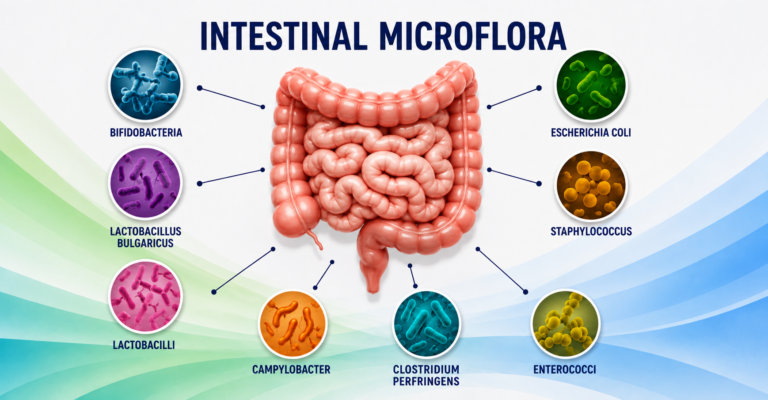
Your gut microbiome is the community of microorganisms living in your digestive tract. These organisms interact with your intestinal environment, immune system and metabolism.
Researchers are investigating whether GLP-1 therapies change the composition of the gut microbiome and whether these changes contribute to some of the medications’ metabolic effects.
Early research suggests that changes in gut microbial composition may be associated with GLP-1 therapy. However, the evidence is still developing. We do not yet have enough evidence to conclude that everyone taking a GLP-1 medication needs a specific probiotic, microbiome test or supplement protocol.
For now, the fundamentals of gut health remain important:
- Eat a varied, nutrient-dense diet within your tolerance.
- Include a range of plant foods where appropriate.
- Obtain adequate fibre without aggravating digestive symptoms.
- Stay hydrated.
- Remain physically active within your abilities.
- Discuss persistent digestive symptoms with your healthcare professional.
A personalised approach is more useful than assuming that one supplement or protocol is right for everyone.
What Should You Eat While Taking a GLP-1?
There is no single ideal “GLP-1 diet”. Your needs depend on your medication, dose, health history, digestive symptoms, activity level, food preferences and goals.
However, several principles can help guide your choices.
- Prioritize nutrient density. When you are eating smaller portions, choose foods that provide meaningful nutrition.
- Include protein regularly. Distributing protein across meals and snacks may make it easier to meet your needs.
- Choose fibre-containing foods as tolerated. Vegetables, fruit, legumes, nuts, seeds and whole grains can contribute to digestive and metabolic health. The amount and type of fibre may need to be adjusted if you are experiencing significant symptoms.
- Stay hydrated. Regular fluid intake supports normal bodily functions and may help reduce the risk of constipation.
- Eat slowly and notice fullness. Smaller portions may be more comfortable, particularly when you are adjusting to treatment.
- Pay attention to your symptoms. A meal that felt comfortable before treatment may now feel too large or rich. Noticing these patterns can help you make practical adjustments.
If nausea, constipation or early fullness is making it difficult to eat enough, seek guidance rather than allowing your intake to remain inadequate.
A Whole-Person Approach to GLP-1 Support
GLP-1 medications can be valuable tools, but medication is only one part of the broader picture of health.
A comprehensive approach considers not only weight and blood sugar, but also digestion, nutrition, muscle maintenance, hydration, energy and long-term wellbeing.
It may be helpful to ask:
- Am I getting enough protein and essential nutrients?
- Are my bowel movements regular and comfortable?
- Am I drinking enough fluids?
- Am I maintaining strength and muscle?
- Are digestive symptoms interfering with my ability to eat?
- Are my energy levels and daily function being supported?
- Do my eating habits support my health over the long term?
These questions can help identify areas that deserve attention while you are taking a GLP-1 medication.
At HealthSource Integrative Medical Centre, a personalized, whole-person approach can help assess your eating patterns, digestive symptoms, nutritional intake, lifestyle and overall health needs. Recommendations should reflect your individual circumstances and complement the care provided by your prescribing healthcare professional.
Looking for Support While Taking a GLP-1 Medication?
If you are taking Ozempic or another GLP-1 medication and experiencing digestive discomfort, struggling to eat enough, or wondering whether your nutritional needs are being met, you do not have to navigate these questions alone.
A personalized assessment can help identify areas that may need attention and support a plan tailored to your needs.
Book an assessment with HealthSource Integrative Medical Centre to explore how nutrition, digestive health and lifestyle strategies may complement your GLP-1 treatment.
The goal is to support more than weight loss. It is to help you look after your digestive health, nutritional wellbeing and overall health throughout treatment.
References
- Gentinetta, S., Sottotetti, F., Manuelli, M., & Cena, H. (2024). Dietary recommendations for the management of gastrointestinal symptoms in patients treated with GLP-1 receptor agonist. Diabetes, Metabolic Syndrome and Obesity: Targets and Therapy, 17, 4817–4824. https://doi.org/10.2147/DMSO.S494919
- Gofron, K. K., Wasilewski, A., & Małgorzewicz, S. (2025). Effects of GLP-1 analogues and agonists on the gut microbiota: A systematic review. Nutrients, 17(8), 1303. https://doi.org/10.3390/nu17081303
- Gorgojo-Martínez, J. J., Mezquita-Raya, P., Carretero-Gómez, J., Castro, A., Cebrián-Cuenca, A., de Torres-Sánchez, A., García-de-Lucas, M. D., Núñez, J., Obaya, J. C., Soler, M. J., Górriz, J. L., & Rubio-Herrera, M. A. (2023). Clinical recommendations to manage gastrointestinal adverse events in patients treated with GLP-1 receptor agonists: A multidisciplinary expert consensus. Journal of Clinical Medicine, 12(1), 145. https://doi.org/10.3390/jcm12010145
- Jalleh, R. J., Jones, K. L., Rayner, C. K., & Horowitz, M. (2024). Gastrointestinal effects of GLP-1 receptor agonists: Mechanisms, management, and future directions. The Lancet Gastroenterology & Hepatology.
- U.S. Food and Drug Administration. (2025). Ozempic (semaglutide) injection: Prescribing information. U.S. Department of Health and Human Services.
- U.S. Food and Drug Administration. (2026). Wegovy (semaglutide): Prescribing information. U.S. Department of Health and Human Services.
This article is for educational purposes and is not a substitute for individualized medical advice. If you are taking a GLP-1 medication, discuss medication changes, significant side effects, and individualized nutrition or treatment recommendations with your qualified healthcare professional.

Written By:
Michael Reid
More By This Author